
Employee Engagement, Executive Coaching, Leadership
Why Leadership Is Tougher Than You Think It Is
Most leaders I work with didn’t fully understand what they were signing up for when they took the job. That’s not a criticism. It’s just the truth. Leadership looks one way from the outside and feels completely different once you’re in it.
From the outside, leadership looks like authority or influence. The ability to set direction and make things happen. From the inside, it’s accountability without complete control. You’re responsible for outcomes you can’t entirely dictate, with people you didn’t entirely choose, in conditions that change faster than you can respond.
That gap between expectation and reality is where most leaders struggle. And right now, that gap is wider than it has ever been.
The leaders I advise are navigating a culmination of pressures that previous generations simply didn’t face at the same scale or speed. Markets shift overnight. AI is rewriting how work gets done. Employees expect more from their leaders than ever before, and they have more options when those expectations aren’t met. At the same time, the pace of change isn’t giving anyone time to catch their breath. Most leaders I talk to describe it the same way: relentless, with no signs of slowing down.
Here’s what makes it even harder. Leadership today is surrounded by myths that set people up to fail before they even get started.
The first myth is that leaders need to have all the answers. I’ve coached CEOs who couldn’t say “I don’t know” without feeling like they’d lost something. So they filled the silence with answers that weren’t quite right, and their teams learned to stop trusting what they heard. The leaders who earn the most respect do the opposite. They ask better questions. They say, “I don’t know, but let’s figure it out.” That honesty builds more credibility than false confidence ever will.
The second myth is that good leaders are liked. If your primary goal is to be liked, you’ve already compromised your ability to lead. Leadership requires decisions that disappoint people. Feedback that stings. Accountability that feels personal. Leaders who avoid those moments to protect their popularity don’t protect anything. They just defer the cost, and it always comes due with interest.
The third myth is that the hardest part is the workload. It isn’t. The workload is manageable. What keeps leaders up at night is the weight of knowing their decisions affect people’s livelihoods, their families, their futures. That weight doesn’t lighten with experience. You just get better at carrying it.
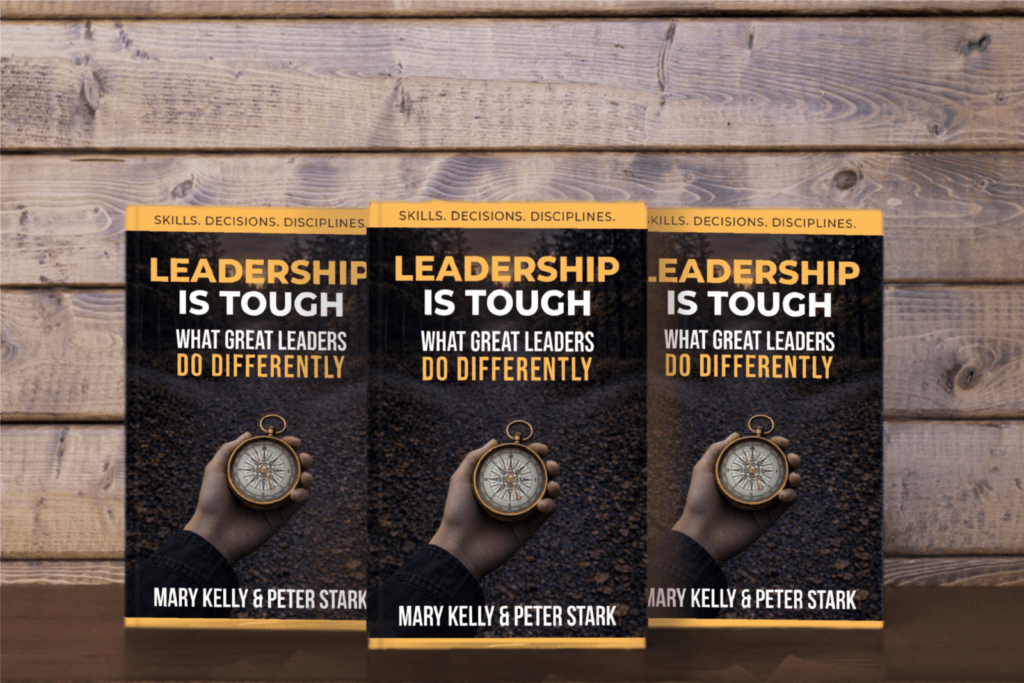
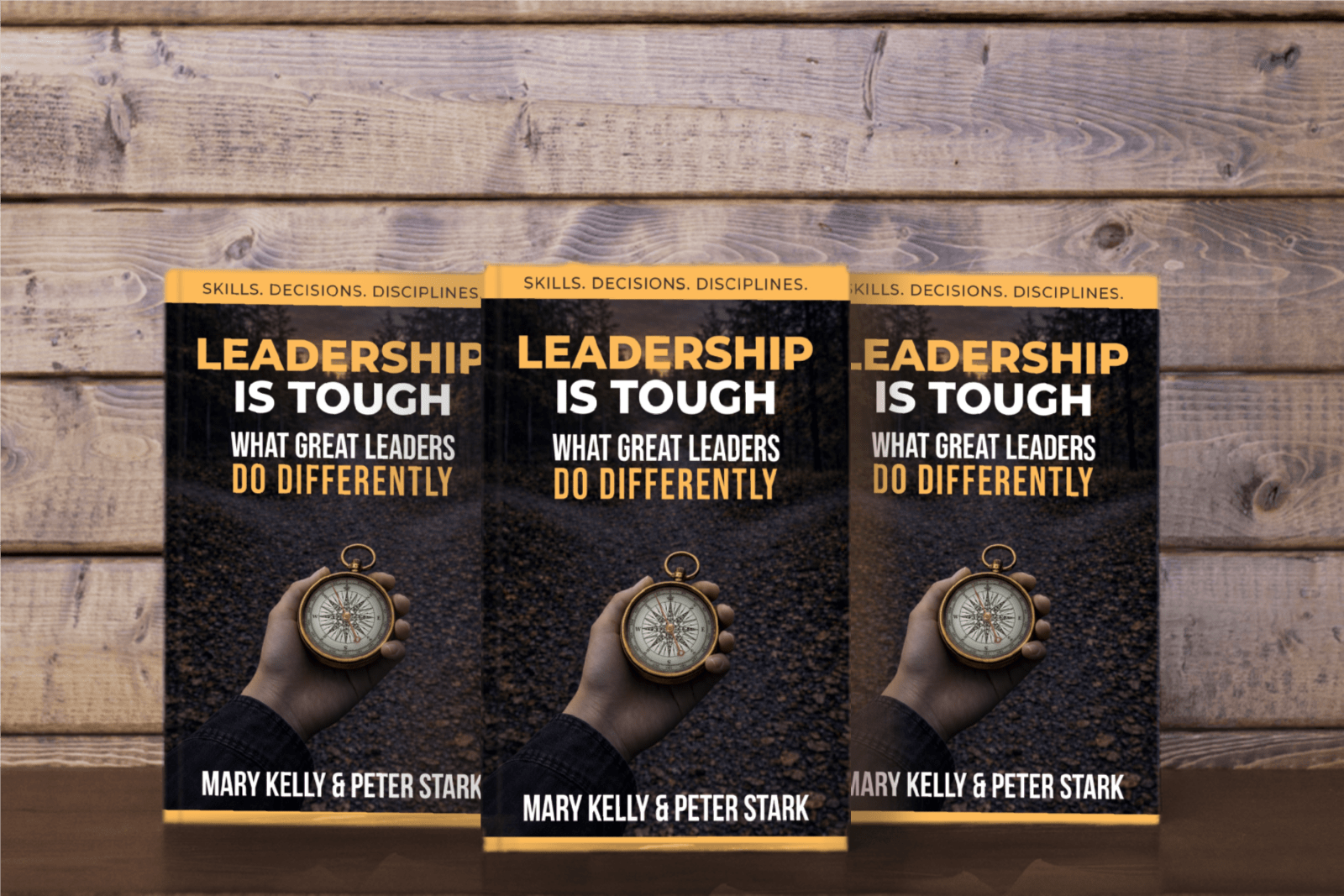
In Leadership Is Tough, co-authored with Mary Kelly, we open with this reality, not to discourage anyone, but because leaders who understand what they’re actually dealing with make better decisions than those who are still waiting for leadership to feel the way they imagined it would.
The leaders who thrive in this environment share a few common traits. They’re comfortable making decisions with incomplete information, because waiting for certainty is the same as choosing inaction. They’re willing to have the hard conversations because avoiding conflict doesn’t resolve it. They protect their own capacity because leadership is a marathon, and burning out in year two helps no one. And they show up consistently, because trust is built through patterns, not moments.
None of that is easy. All of it is learnable.
Leadership is tough because it’s supposed to be. The decisions that define it carry real consequences for real people. The leaders who accept that reality and build the disciplines to meet it are the ones who make the biggest difference.
The question isn’t whether leadership is hard. It is. The question is whether you’re willing to do it anyway. To support you in your leadership journey, check out my new book: Leadership is Tough.


Related posts

Culture, Leadership
Culture Series Part 4: Why Culture, Belonging, and Accountability Are Really One Problem
Over the past three weeks, we have explored culture, belonging, and accountability as separate topics. But the leaders we work with rarely experience them that way. They experience them as one problem showing up in…

Communication, Executive Coaching, Leadership
The Part of Leadership Nobody Talks About
There is a conversation that almost never happens in leadership. Not about strategy, not about performance, not about the next quarter. It is about the quiet isolation that comes with being the person in charge….

Communication, Culture, Leadership
Culture Series Part 3: Accountability Is Not Harsh. It’s Respect
In this series, we began by exploring how culture is shaped by leadership habits rather than value statements. We then looked at how belonging is built through daily leadership behavior rather than inclusion programs. This…

Leadership, Leading Change
Why High Performers Leave When Leaders Won’t Hold the Line
Every organization has a version of this story. A strong performer, someone who delivers consistently, sets a high bar, and makes everyone around them better, quietly starts looking for a way out. The leader is…

Culture, Employee Engagement
Culture Series Part 2: Why Your Team’s Sense of Belonging Starts With You
In the first blog of this culture series, we explored how culture is shaped by leadership habits rather than value statements or initiatives. Culture sets expectations, but it does not guarantee connection. This is where…
Helpful Leadership Products


Leave a reply